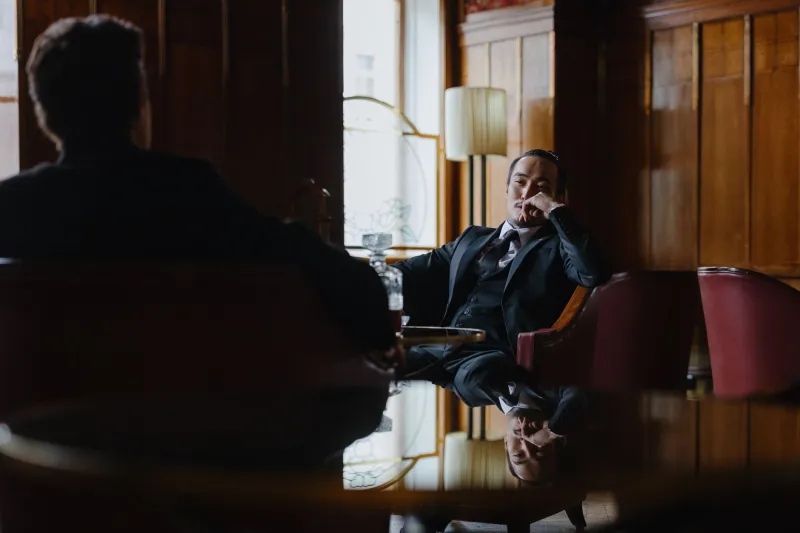
The Shadow Roster: Mapping the Unofficial Power Grid Inside America's Private Clubs
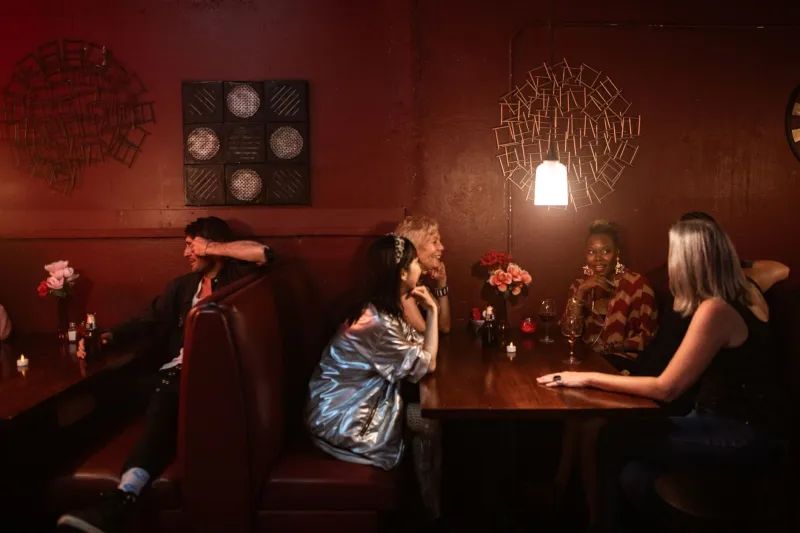
The brochure tells one story. The hallway tells another.
Ask any longtime member of a distinguished American club — a private dining society in Chicago, a founders' circle in Austin, a cultural membership in New York — and they will admit, usually off the record, that the organization on paper bears little resemblance to the organization in practice. There is the membership. And then there is the membership.
The Map That Isn't Printed
Formal hierarchies are easy to locate. Boards are listed. Committees are published. What resists documentation is the informal lattice of relationships that determines which dinners matter, which introductions happen, and which new faces get warmly embraced versus politely accommodated.
Sociologists call this latent structure; members call it something simpler. "You learn within a season who actually convenes the room," one longtime member of a Northeastern cultural society explains. "The person who sends the invitation is rarely the person whose name is on it."
These inner circles are not conspiracies. They are organic byproducts of trust. When a community is built on discretion — and the most coveted ones always are — its members naturally concentrate their social capital among those who have proven they can hold it.
How the Outer Ring Reads the Room
Newer members tend to make the same early mistake: they work the official channels. They attend the marquee events, shake the right hands, and wait for gravity to pull them inward. It rarely does.
The members who ascend quickly behave differently. They observe patterns. Who arrives together? Who leaves early, and whose departure the room seems to feel? Which table fills last but empties first — a telltale sign of a group that came for one another, not for the programming?
There are reliable signals:
- The second invitation. The first is public. The second, sent by text and without ceremony, is the one that counts.
- The small favor. Inner circles test discretion with low-stakes requests. A returned call. A confidential introduction. How it is handled says everything.
- The quiet seat. At private tastings and post-event gatherings, proximity is assigned by trust, not ticket tier.
Earning the Cross-Over
Advancement into the core is less a campaign than a reputation slowly compounding. Veterans of club culture describe a consistent arc: contribute without keeping score, demonstrate that confidentiality is a reflex rather than an effort, and — critically — never appear hungry for the advancement itself.
"The fastest way to stay outside is to be seen angling to get in," says a club consultant who advises membership organizations across the country. "The inner circle selects for people who would be fine either way. That's the whole test."
There is also a matter of timing. These sub-communities replenish slowly. Seats open when members relocate, retire, or simply drift. Patience is not merely a virtue here; it is the admission price.
Why It Matters for the Rest of Us
For the organizations themselves, the shadow roster is both an asset and a liability. It preserves intimacy and self-policing standards no bylaw could enforce. But it can also harden into gatekeeping that stalls renewal and quietly alienates promising members who never receive a map.
The healthiest clubs acknowledge the dynamic rather than pretend it away — creating structured pathways, mentorship pairings, and smaller curated gatherings where the formal and informal structures can safely overlap.
Because in the end, exclusivity was never really about the door. It is about the rooms behind the room. And the members who thrive are the ones who understand that the true directory was never printed at all.